Education is more than just the delivery of information; it is the deliberate process of facilitating learning, knowledge acquisition, and the development of critical thinking skills.
Whether it takes place in a formal classroom or through real-world experience, education acts as the primary engine for social and economic mobility.
The Learning Cycle
Effective education typically follows a structured cycle that moves from the introduction of a concept to its practical application. This process ensures that knowledge isn’t just memorized, but deeply understood.
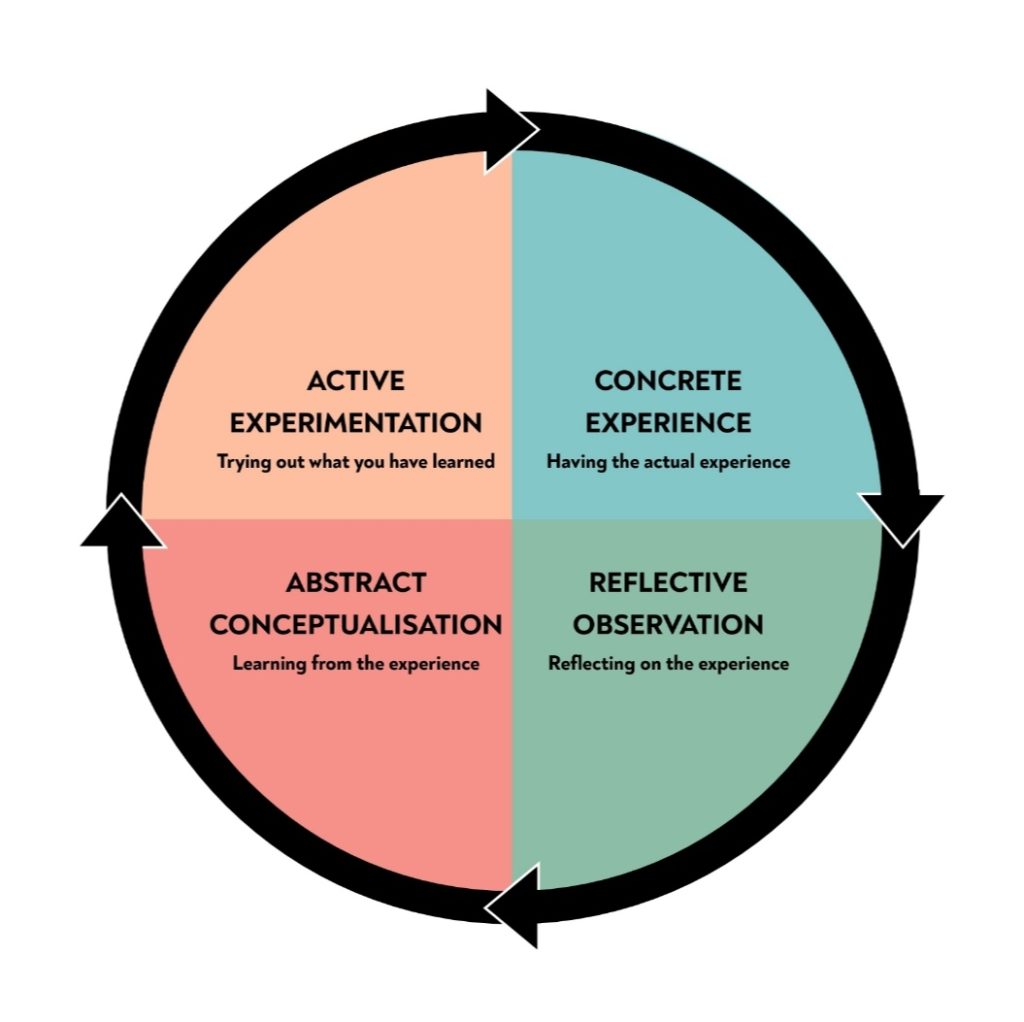
- Concrete Experience: Engaging in a new task or experience.
- Reflective Observation: Stepping back to review what happened and what was felt.
- Abstract Conceptualization: Interpreting the experience and forming logical theories or models.
- Active Experimentation: Applying those new theories to future situations to test their validity.
- Morden frameworks
- In today’s rapidly changing landscape, the focus has shifted toward STEM (Science, Technology, Engineering, and Mathematics) and Holistic Education, which emphasizes emotional intelligence and creativity alongside technical skills.
- We are also seeing a massive rise in Linguistic Education. Learning a new language, for instance, does more than just help you communicate; it literally rewires the brain to improve multitasking and memory.Why It Matters
- Education empowers individuals to:
- Solve Complex Problems: Applying logic to technical or social challenges.
- Foster Community: Using shared knowledge to mentor others and build stronger local organizations.
- Drive Innovation: Turning a creative spark into a functional reality through disciplined study.
Leave a Reply